

Davos Takeaways: Carney’s Challenge, AI, Energy & Scaling Impact
Carney’s Davos speech captured the mindset we need in 2026: pragmatic idealism with a bias for action. It applies just as much to nonprofits and businesses as it does to governments.

Dear Friends and Supporters,
Greetings from a chilly, snowy New York!
I’ve just returned from attending the World Economic Forum in Davos. I’ll share some reflections shortly, but first, a quick reminder that over the coming weeks, Global Citizen is gathering its partners and allies to kick off what promises to be an impactful year.
🗓 February 4 | New York City
🗓 February 12 | Rio de Janeiro
🗓 March 3 | London
If you’d like to attend, email James Salazar at james.salazar@globalcitizen.org. Ok, now onto Davos reflections…
1) Canadian Prime Minister Mark Carney’s speech and the call to “take the sign out of the window.”
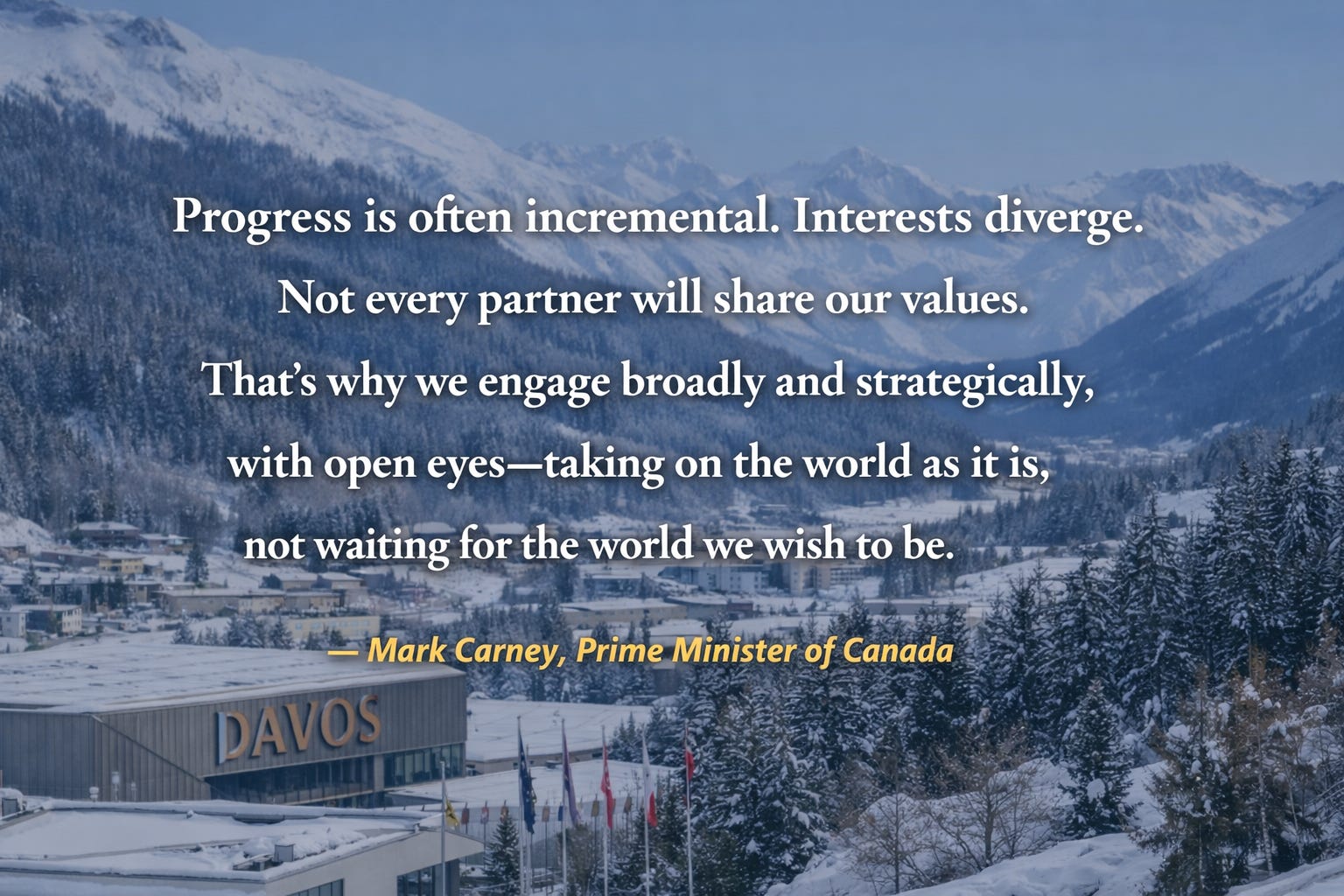
Much has been written about Mark Carney’s recent, thought-provoking Davos speech. If you missed it, you can watch it or read the transcript here.
Carney’s speech brought together in one single, coherent narrative what many have been saying for some time now (including strands from my own book, From Ideas to Impact: A Playbook for Influencing and Implementing Change in a Divided World, and TEDx talk).
Carney’s argument is blunt: pretending the old order still works — like the shopkeeper who dutifully hung a “Workers of the world, unite!” sign in his window in communist Europe — will not protect countries’ interests. Nor will retreating into isolation, zero-sum thinking, or fortress mentalities. That path may work for those who can wield a big stick, but even then, it is unlikely to deliver good long-term outcomes.
Rather, Carney’s answer is to engage the world as it is — with open eyes, principled pragmatism, and coalitions built issue by issue with those who may not always share the same values or worldview. His primary audience is, of course, fellow world leaders — particularly those navigating this moment as middle powers in an era of great-power rivalry. But his call to action applies just as much to nonprofits, companies, and other organizations trying to address the defining challenges of our time, from ending extreme poverty to climate change, all of which require some degree of cooperation across major differences and geographies.
More specifically, we do not have to abandon our values or mandates. But advancing them in the present era requires something harder — and, paradoxically, more hopeful — than “keeping the sign in the window” (or other performative gestures).
It means naming reality.
It means working with imperfect partners on an issue-by-issue basis.
It means forming coalitions and communities of the willing that actually deliver.
And it means staying flexible and ready to pivot — investing in resilience, new alliances, and revenue/funding/economic diversification so you can safeguard the integrity of your mission in order to have impact, both today and tomorrow.
This prescription will likely make some people uncomfortable. And, to be clear, it would be naïve to pretend this approach does not involve trade-offs. It does. Yet, even as we don’t always get to choose the hand we’re dealt, we do get to choose how we play it. That means assessing where we have leverage today, and with whom we can build common ground to advance our goals on any given issue.
In From Ideas to Impact, I call this pragmatic idealism. It is not grounded in purity. Nor nostalgia — as Carney puts it. And yes, it involves making hard choices and accepting imperfection. But it is equally not rooted in cynicism. It is about staying true to one’s mandate — not abandoning it — and implementing it as effectively as possible, maximizing our influence and impact even in a fragmented world.
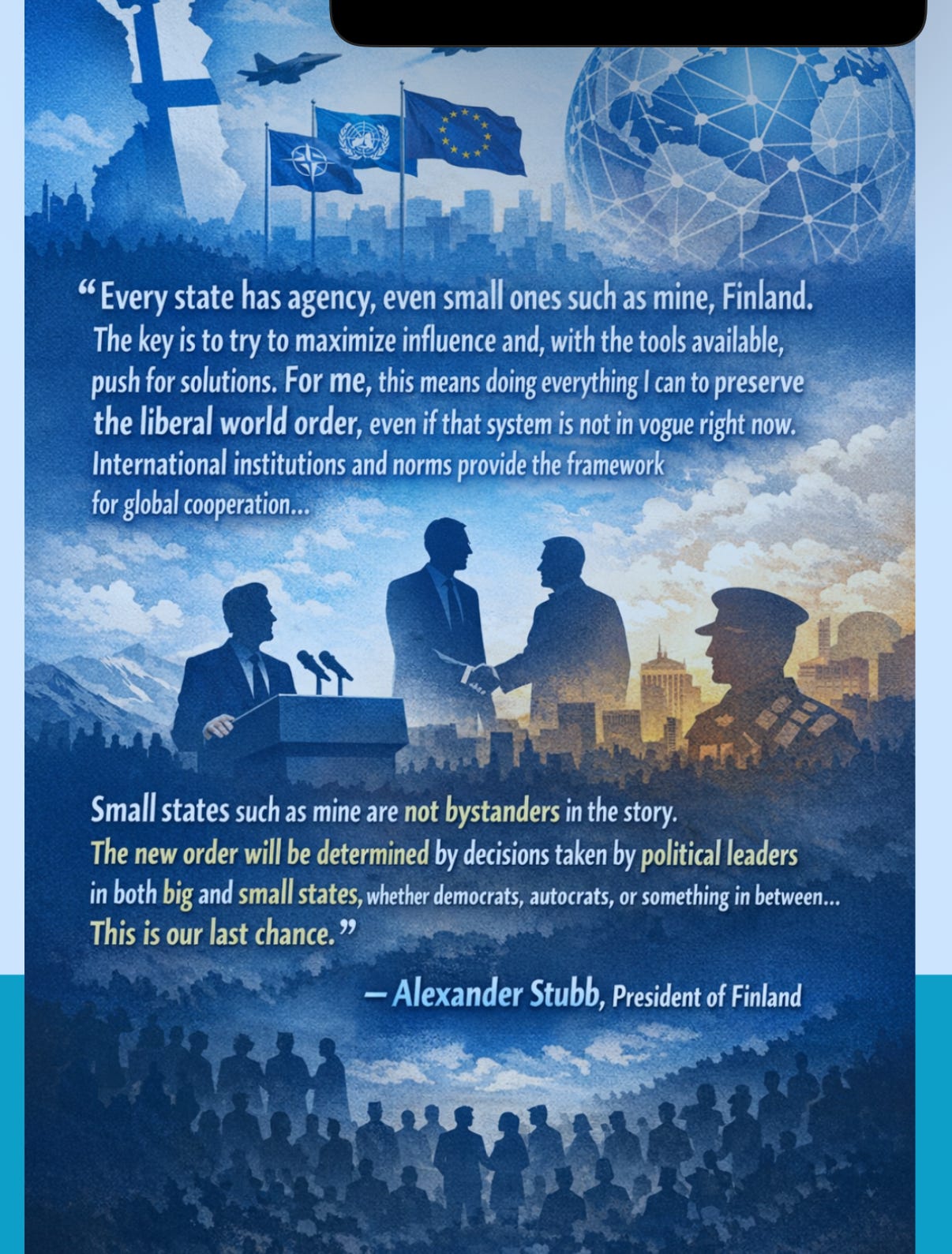
For another articulation of this same instinct, I’d also recommend this Foreign Affairs essay by Finland’s president, Alexander Stubb, which he describes as “value-based realism.” I’m resharing here a few choice quotes:
On the flight to and from Davos, I also started listening to a new podcast, How to Change the World by Sam Webster Harris, which I’d strongly recommend. It’s an ambitious history of “every single world-changing innovation in the order they happened…. From the beginning of human history to today.” One of Harris’ early observations is that most major breakthroughs did not wait for perfect conditions. Those who do often miss their moment, and that, sometimes, however unnerving it might feel, one must simply begin. That was the original impulse, as it happens, behind writing From Ideas to Impact: to give people a practical guide on how to begin.
2) Australia’s moment in helping to electrify the world
It is perhaps no coincidence that, coming out of Davos, Mark Carney announced a visit to Australia in March. Australia and Canada share a great deal in common—not least a tradition of operating as middle powers in a world increasingly shaped by great-power rivalry.
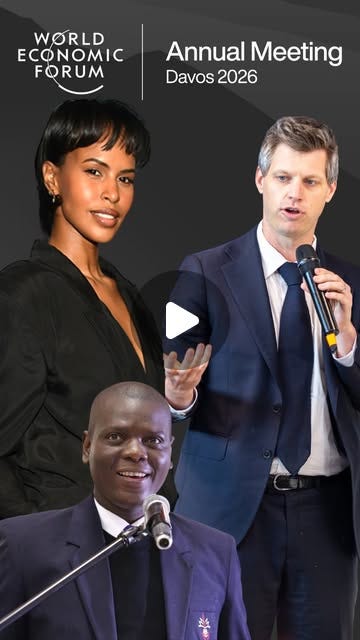
(And as a side note, Australians and Canadians almost always seem to get along—just ask my friend, fellow co-author and board chair, Sabrina Elba, whom I joined on a Davos panel on electrifying the world alongside the Minderoo Foundation and South Africa’s foreign minister, Ronald Lamola)
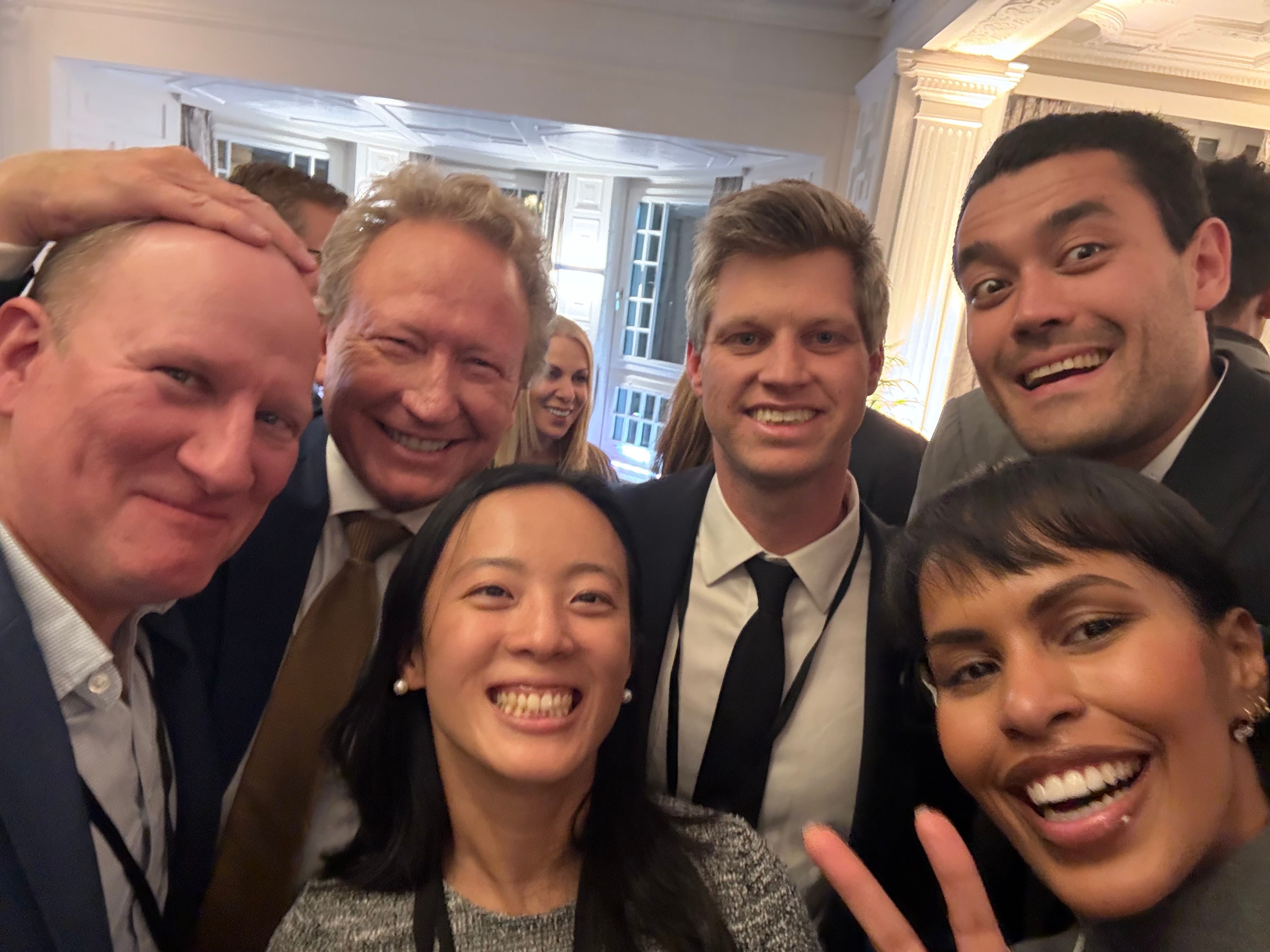
Speaking of electrification and Australia together, one voice present in Davos was Andrew Forrest, Executive Chairman of Fortescue, an Australian mining company committed to eliminating emissions across its iron ore supply chain by 2030. Forrest’s argument echoed Carney’s in an important way: countries—and companies spanning Australia, Asia, and Europe—can still move forward on climate action by nurturing cooperation that delivers shared gains. Europe’s Carbon Border Adjustment Mechanism (CBAM), which prices carbon at the border, is one example Forrest pointed to of how EU policy is already shaping markets beyond Europe.
This resonated. In the lead-up to Davos—and building on time spent back home in my native Western Australia over the recent holiday period—I published this piece in Climate & Capital Media on the opportunity for Australia to lift global ambition on climate action while advancing its own economic interests. The core argument is straightforward: competitive, abundant energy, paired with smart policy, can help reduce global emissions by up to 8 percent through the decarbonization of steelmaking and shipping.
This is where shared gains comes in:
Take Japan. Offshoring iron processing to Western Australia could mean fewer ironmaking jobs at home—but it could protect far larger employment bases in steelmaking and downstream manufacturing, lower costs, and make climate targets achievable.”
Before we move on from the subject of electrification, a quick shoutout to Global Citizen partner Octopus Energy. Just last week, they signed a major agreement with Masdar, the Abu Dhabi-based global renewable energy investor, building on their commitment—announced in Johannesburg in November—to scale up renewable investments across Africa. Here’s a short clip from Davos where I give an update on the implementation of commitments from that campaign:
3) New ways to fund change and innovation
One of the big stories last year was the cut in several foreign aid budgets. I wrote about it in Forbes at the time. That’s left a significant gap in how we fund programs like health care, education, and energy projects in lower-income communities.
So who’s stepping in to fill the gap? Increasingly, it’s institutions like the World Bank and other development banks (as argued by Devex’s Raj Kumar here). These are public banks set up to help countries grow—but unlike traditional aid, they don’t just give out grants. Instead, they offer loans—usually at much better rates than commercial banks, but they still (largely) expect to be paid back.
This shift is challenging all of us to rethink how we work together to build something sustainable—like investing in energy access or better health systems. Last week, I had the chance to meet with several of these banks to explore how we can collaborate. A big thank you to our friends at Tsao Pao Chee—a family-run investment group in Singapore, which I wrote about last year here—for helping bring together a group of doers to ask a simple question: how can we use different types of money—philanthropy, business, public lending—to unlock more funding and make it go further?
Tom Hall from UBS’s Optimus Foundation, who co-hosted the session with us, put it well: if we work smart, we can turn every dollar into at least three or four.
This is how we scale. And yes, it’s a shift not without its own challenges. We’ll still need traditional, non-reimbursable grants to fund the kinds of efforts that don’t generate immediate returns—like responding to humanitarian disasters. But as Mark Carney says, we can’t just focus on mourning what’s been lost. We have to build with what’s possible with the tools we have available. This will be a big part of my focus in 2026.
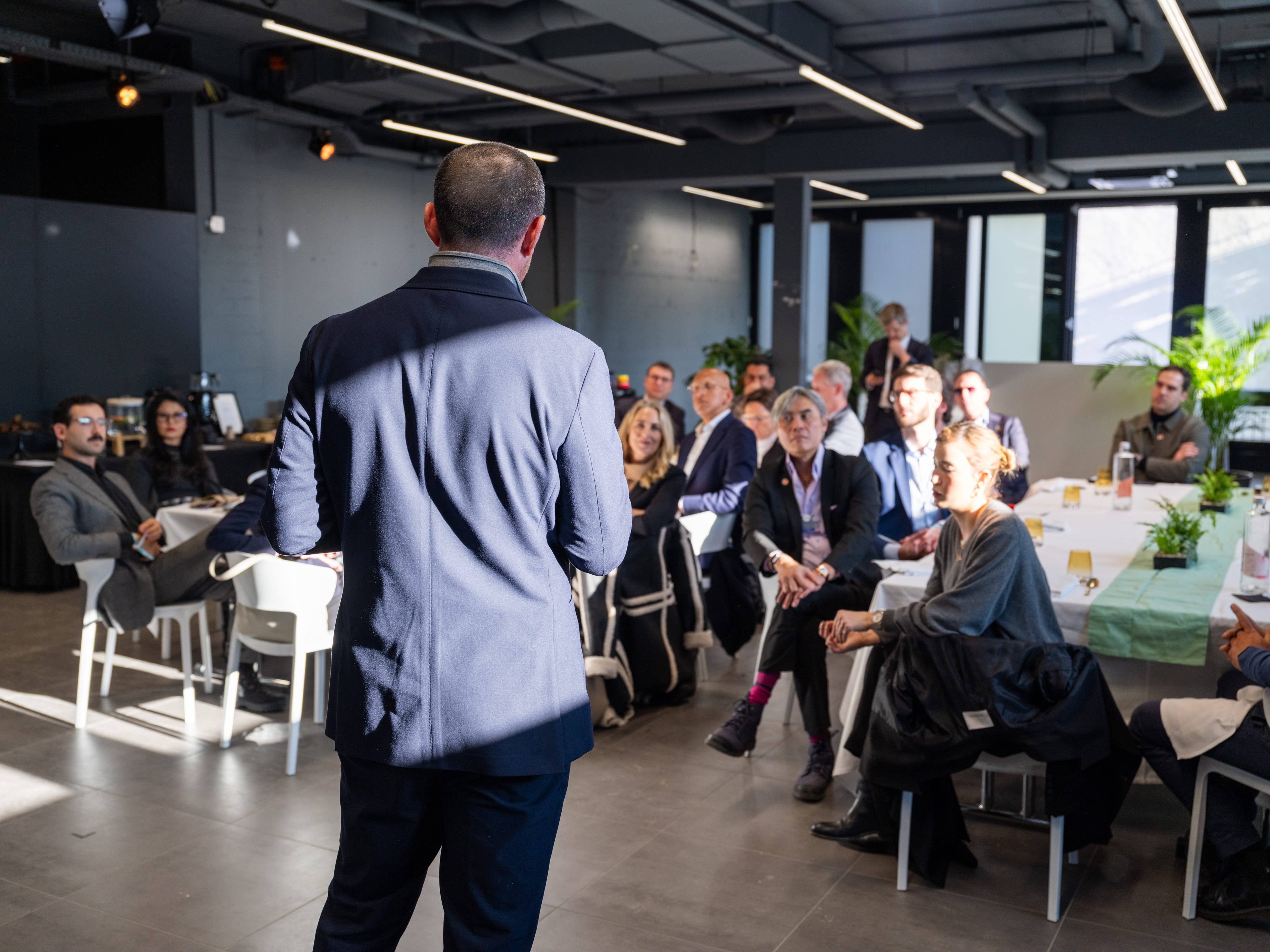
On the subject of making the most with what we have, I also want to give a quick shoutout to our friends at Gavi, the Vaccine Alliance. Last year, Global Citizen supported Gavi to help raise more than $9 billion to protect millions of children’s lives over the next five years. In Davos last week, I co-hosted a follow-up conversation with Gavi’s CEO, Dr. Sania Nishtar, to explore how they’re partnering with leading businesses, philanthropies, and global brands to scale up innovation and expand access to vaccines and primary health care—especially in hard-to-reach places.
One standout example: drone delivery. Gavi’s long-standing partnership with Zipline—using drones to deliver vaccines to remote communities—has now expanded to Nigeria. With support from the Elton John AIDS Foundation and the Swedish government, drones will now help reach zero-dose communities across Kaduna State.
4) How AI Helped Me Change My Habits
While AI was everywhere in Davos—as expected, even if geopolitics stole more of the spotlight—one of the most common questions I got from Davos-associated friends and colleagues who I usually only see once a year was: “What happened? You look different.”
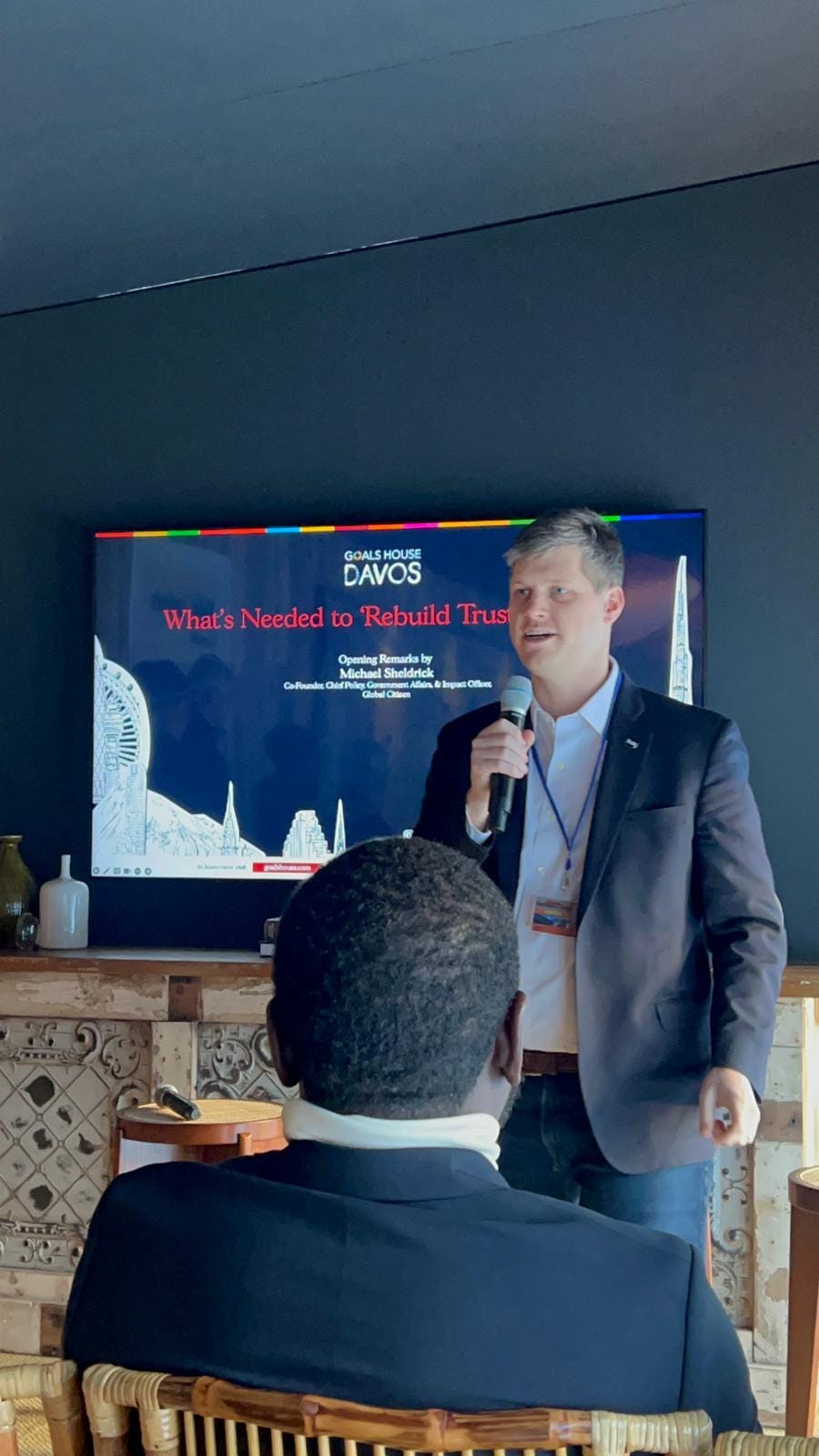
Here is a photo from speaking in Davos 2 years ago:
And this is me speaking in exactly same room this past week:
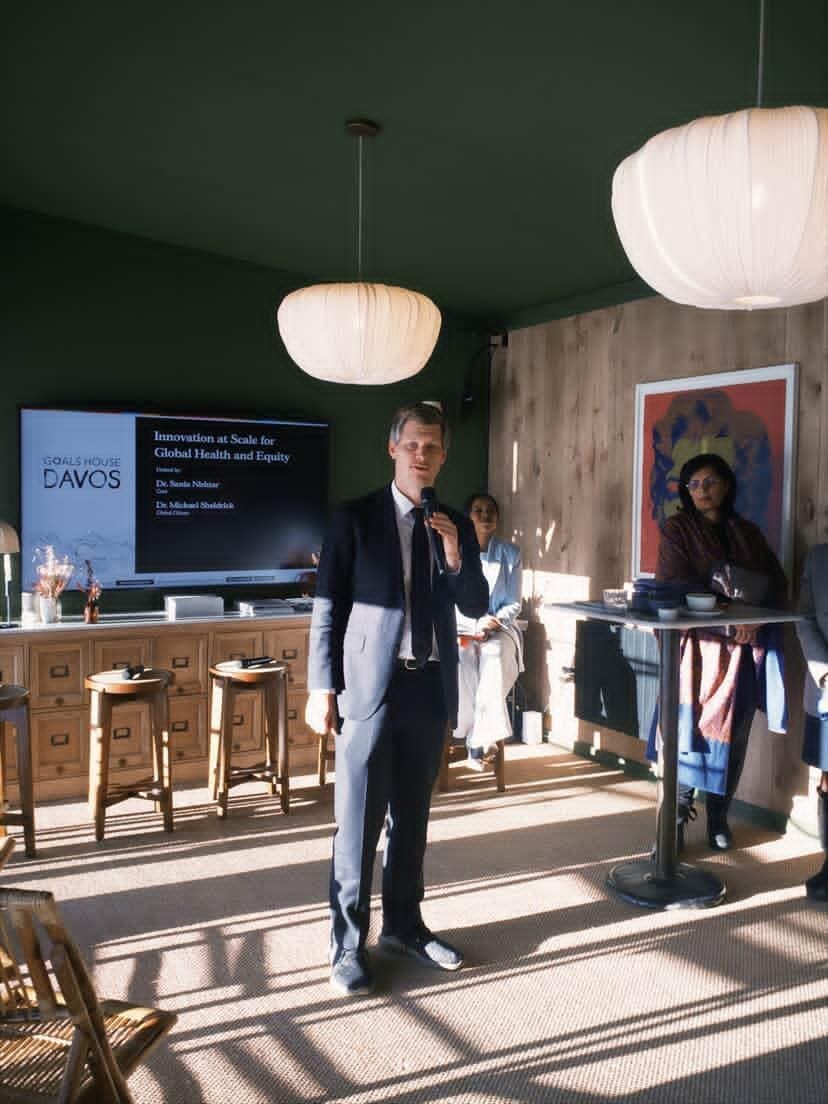
I lost about 30 pounds last year. And my honest answer, which got more than a few puzzled looks, was: AI.
What I mean is this: after seeing my cholesterol numbers trend upward—and being very aware that my grandfather died of a heart attack in his early 50s—I decided to try something new.
I opened ChatGPT and clearly instructed it on my cholesterol goals. I’d then snap photos of buffets, ask how to approach them, check recipes, and get simple guidance on how to eat or cook what I have in my fridge. Last night, for example, I was home alone in snowy New York and made poached chicken—a far cry from my old go-to of throwing sliced chicken on a frying pan just to get something done quickly.
I also track 10,000 steps a day—religiously. Even if that means pacing in circles around the dining table when snowed in. It turns out, some movement really is better than none.
Now, to be clear, I’ve lost weight before (like in the run-up to my wedding), only to gain it back. But this time, it’s been nine months. And honestly, the goal was never about weight. That’s just been a side effect of targeting lower cholesterol. And AI, as odd as it sounds, helped me do that.
5) Reading Materials
I always find the lead-up to Davos in January a great time to reflect—and to read. One book I recommend is Leadership Sense: A Practical Guide to Making Transformational Impact by James Popoola. It’s a thoughtful, practical read for anyone looking to lead with purpose.
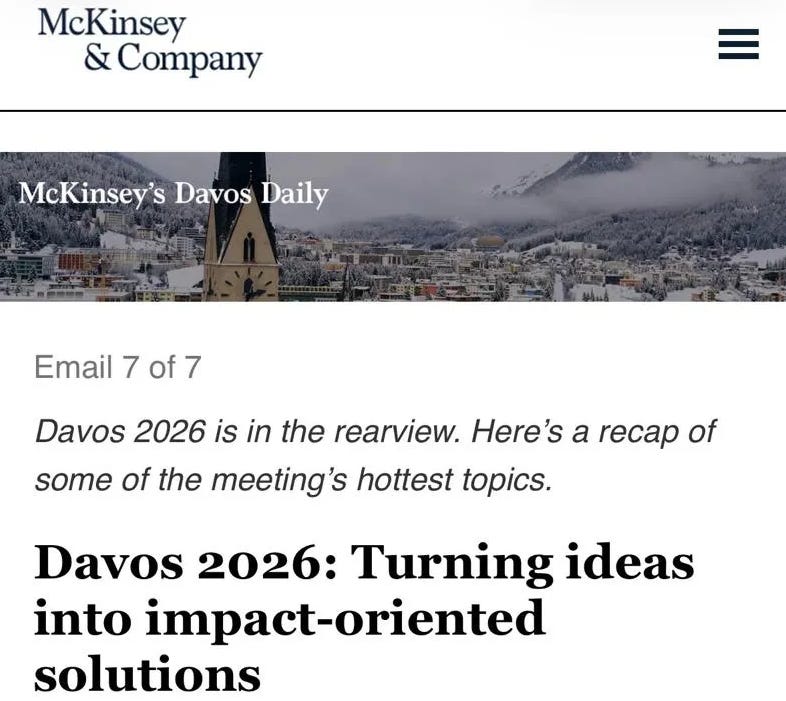
And finally—a fun one. More than a few people in Davos pointed out how the title of my book, From Ideas to Impact, feels more relevant than ever. Case in point: this recent post from McKinsey (notice the familiar wording in the headline 😉).
Till next time,
Mick